


Rally scoring is typically pretty straightforward: You earn points at the end of each stage based on your time. First-place finishers score the most, last-place finishers score the least, and the folks in between earn, well, something in between. If you miss your waypoints, you lose points, and if you fail to finish a stage, you’re out of the rally.
The Dakar Mission 1000 class, however, is a completely different animal, and a complex one at that. So much so that it’s worth clarifying how the whole thing actually works. Here’s a cheat sheet if you’re looking to follow the Mission 1000 this year.
How the Dakar Mission 1000 Point System Works
Much like the standard Dakar, the lion’s share of the points in Mission 1000 is awarded for finishing stages. Any rider who completes a full stage earns a full 10 points per stage. Riders who fail to finish a stage, however, can still earn a percentage of those points based on how many miles/kilometers they covered.
In other words, if a rider were to run 80km of a 100km stage before breaking down or running out of battery, that rider would still earn 8 of the 10 available points. Dakar organizers say this system is designed to evaluate the reliability of the vehicles being tested and reward points accordingly.
Still with us? It only gets more complicated from here.

In addition to the individual stage points, riders also have two opportunities to earn “bonus” points each day.
The first bonuses are awarded as a time-attack challenge, judging riders against a pre-determined “reference time” for each stage. Riders who finish a given stage within the reference time are awarded 5 additional points for the day, while those who manage to shave 10% or more off the reference time get 10 bonus points instead.
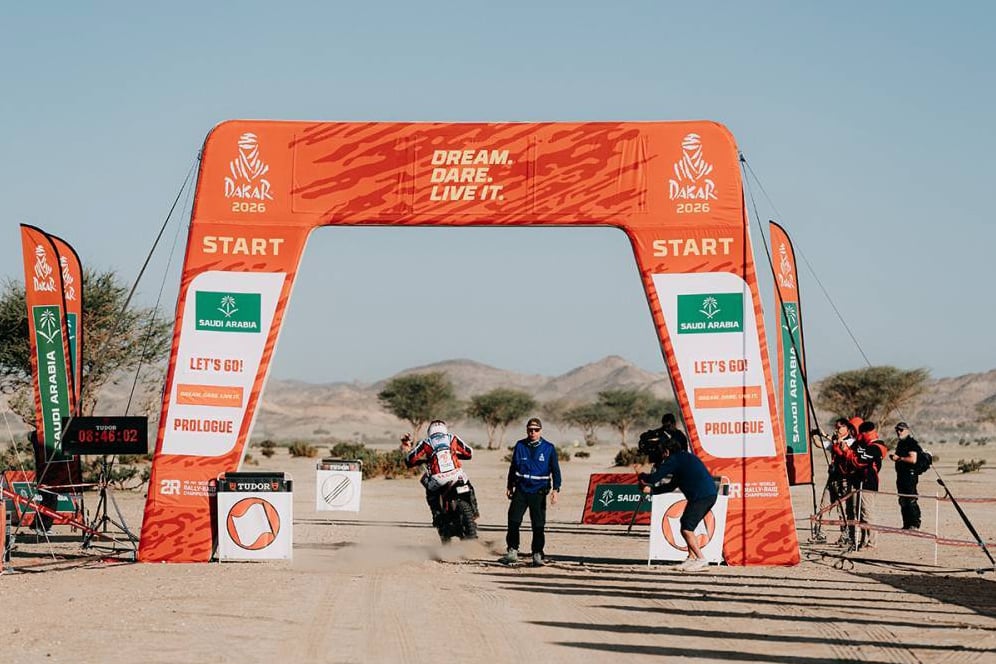
The second opportunity to earn extra points comes at the beginning of each stage in the form of a 200-meter sprint from a standing start. The fastest sprint time of each day earns an additional 10 points, allowing riders to essentially “gamble” some battery power at the beginning of each stage for a chance to gain some ground early on.
That means every rider has the opportunity to earn 20 points at every stage, and one rider each day will add another 10 to that figure.
There’s also a third chance in Mission 1000 to gain a few extra points courtesy of the fans. During the rest day in the middle of the rally, fans are allowed to “vote” for their favorite Mission 1000 team. The most popular team gets 10 points, second place gets 5, and third place gets 3.
Dakar does this to incentivise teams to help spread the word on social media, and in doing so, they drive awareness around sustainable technologies and the future of racing as a whole.
Dakar Mission 1000 Penalties, Explained.
That’s a lot to keep up with, but don’t relax just yet, because we’ve still gotta cover penalties.
Mission 1000 competitors get the same sort of time penalties as standard rally participants for missing waypoints as they navigate. Take a shortcut or a wrong turn, and you get a few minutes tacked onto your time for the day. Miss too many waypoints and that time adds up, making riders more likely to miss out on the crucial time-attack points we discussed above.
Speaking of which, the time-attack itself can also cost racers points. Those who fail to hit the reference time by 10% or more miss out on their points for the day. Wrong turns, missed waypoints, and long pitstops all remain contributing factors, just like the standard rally.
Speaking of pitstops, there’s one final potential penalty to discuss: Battery changes.
At each stage in the Mission 1000, riders have the option of either attempting the full course on a single battery or stopping at a pre-determined spot on the course once a day for a battery swap. Take the extra battery, and you get a two-point penalty for the day (while also eating the extra time required to stop and make the swap).
At the end of the Dakar Mission 1000 Rally, all the points and penalties are added up, and voila! You have your podium for the year.
What Types of Vehicles Compete in Dakar Mission 1000?
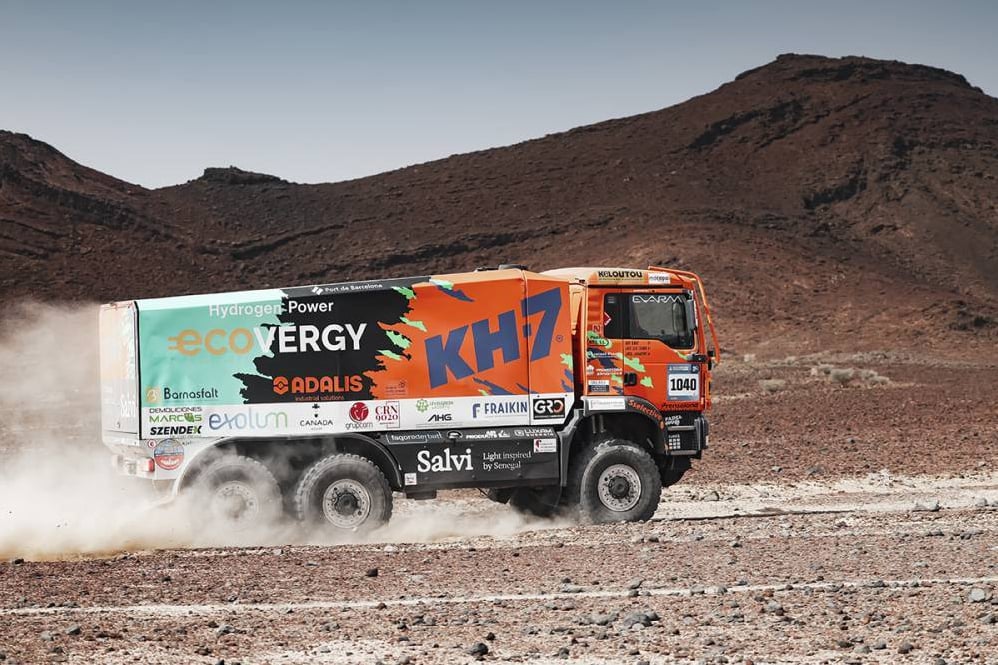
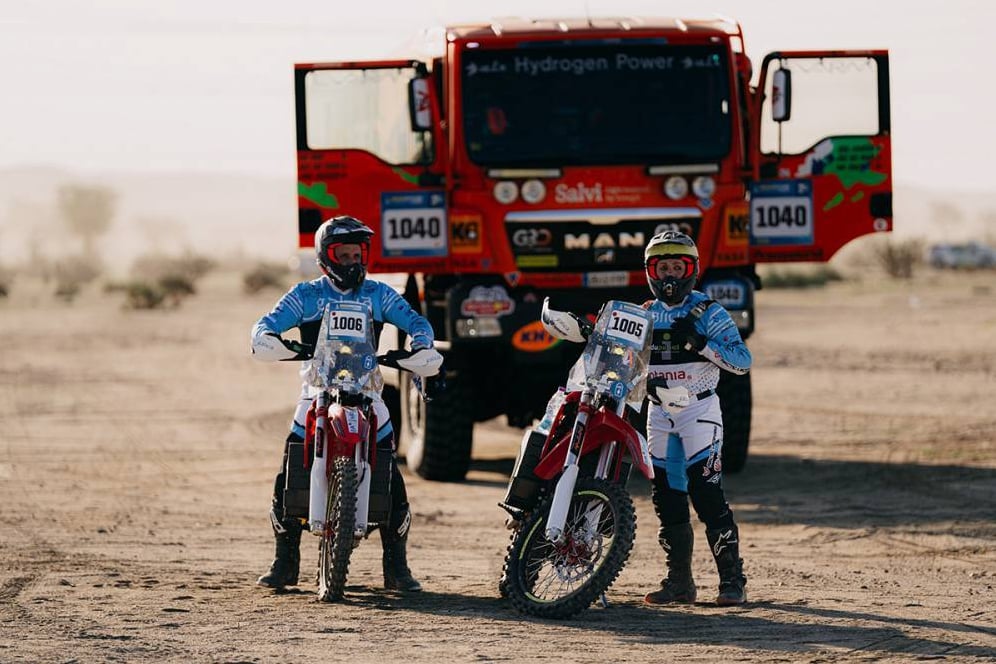
While the main event of the Mission 1000 has historically been all-electric motorcycles, the track is actually open to several classes of vehicles. Under the current rules, participants are broken into three categories: fully electric, fully hydrogen-powered, and fuel-electric hybrids.
Any class of vehicle that’s eligible to compete in the Dakar itself can be used for Mission 1000. That includes everything from side-by-sides to the massive six-wheeled camion truck class the event is known for, so long as they’re powered by one of the above methods.
That being said, it’s worth noting that the Dakar Rally is no stranger to hybrid vehicles. Audi’s RS Q e-tron hybrid has competed in the main event several times and even managed to take the overall win against gas-powered vehicles in the T1.U car class in 2024.
What Is Dakar Mission 1000?
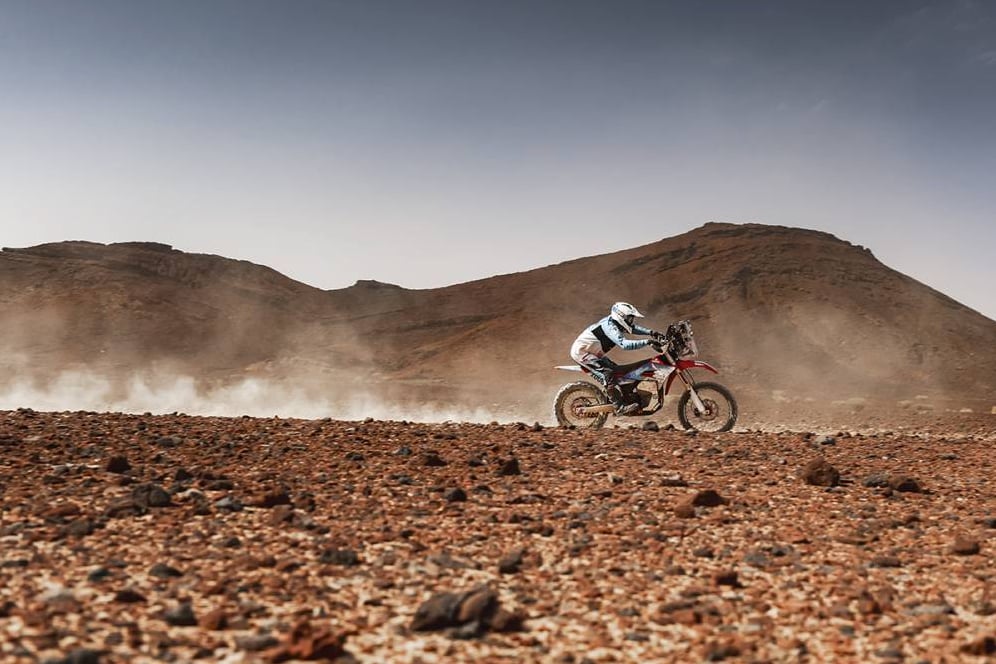
Mission 1000 is part of the “Dakar Future” program, a philanthropic endeavor that seeks to improve the lives and conditions of the people in the regions where the rally is held. In the past, Dakar Future has taken on projects like building wells in remote African villages and supporting disabled children’s centers in the Middle East.
Dakar first introduced its Mission 1000 program back in 2024 as a testbed for low-emissions prototypes to compete in a separate but parallel event during the main rally. Dakar as a whole has a stated mission to have all participants piloting low-emissions prototypes by the year 2030, so it stands to reason that the Mission 1000 class will only grow in the coming years.
Check out results for the latest 2026 Dakar Mission 1000 here!